The "Rogue" Digital Asset: Crypto Through the Lens of the Sharia
If we return to Rory Sutherland’s "Reverse Logic" experiment, we’ve already seen how the interest-based engine is a noisy, exploding relic compared to the "Electric" motor of risk-sharing. But now, a new player has entered the garage: Cryptocurrency.
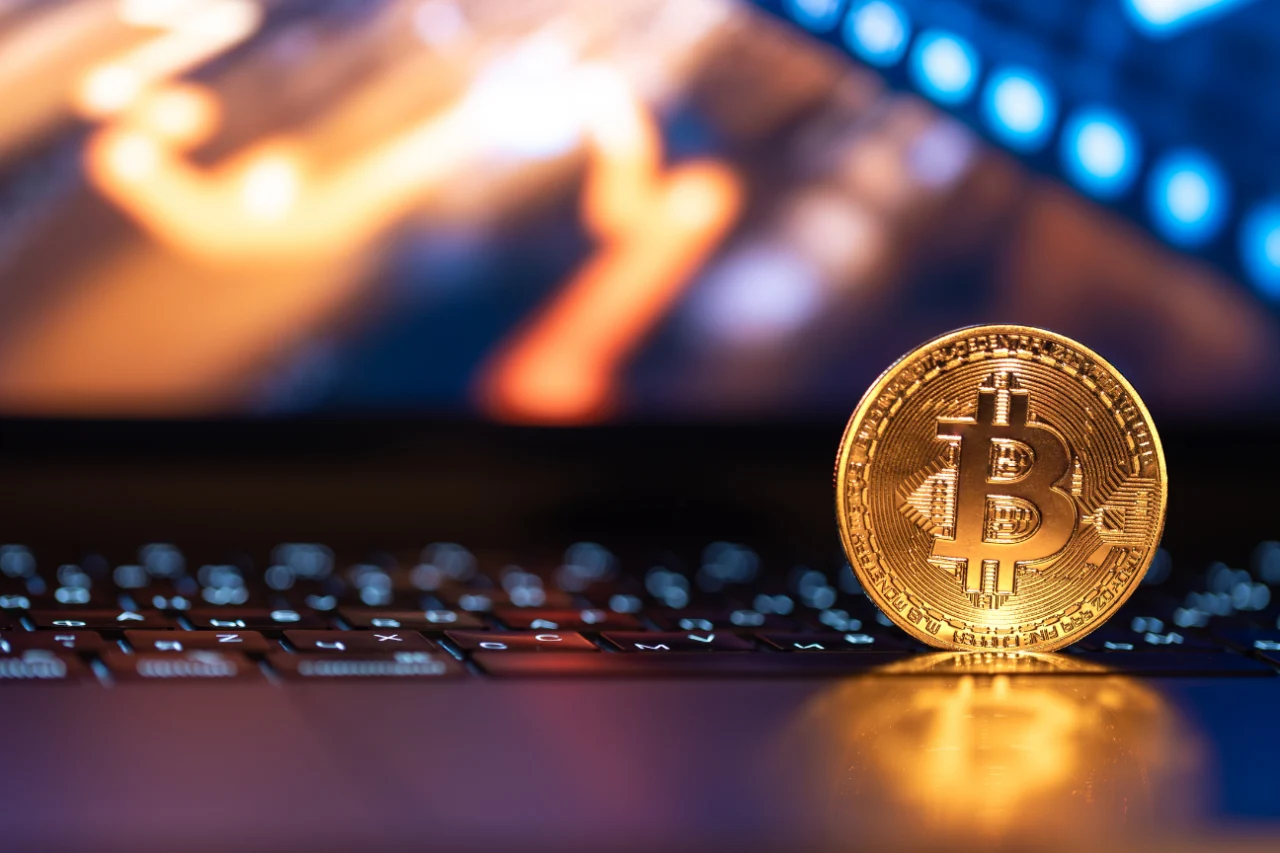
To some, it’s the ultimate "Electric" upgrade—a decentralized system that bypasses the "Rogue Banker" entirely. To others, it looks like a motor made of smoke and mirrors.
To navigate this, we look to the work of Mufti Faraz Adam (Amanah Advisors), a leading voice in Islamic Fintech, who has meticulously taken apart the "crypto engine" to see if it’s truly road-legal under Sharia law.
The "Good": Why Crypto Might Be the Ultimate Electric Motor
From a Sharia perspective, particularly in Mufti Faraz Adam’s analysis, Bitcoin and certain tokens possess qualities that align beautifully with Islamic principles:
- Maal (Wealth) and Taqawwum (Legal Value): For an item to be traded in Islam, it must be Maal—something that can be possessed, stored, and has value. Mufti Faraz Adam argues that because people find utility in Bitcoin and are willing to exchange value for it, it qualifies as a digital asset (Maal).
- The End of the "Ghost Economy": Cryptocurrencies operate on a Blockchain—a transparent ledger. This echoes the Sharia requirement for clarity and the prevention of Gharar (deception). You cannot "fake" a Bitcoin; the "engine" is open-source and verifiable by anyone.
- Utility Tokens as "Digital Tools": Many crypto assets aren't trying to be "money." They are Utility Tokens—digital keys that grant access to a service or a platform. Mufti Faraz views these as modern versions of service contracts, which are perfectly permissible (Halal) as long as the service itself is ethical.
The "Bad": When the Engine Becomes a Casino
However, the "Rogue Engineer" hasn't disappeared; he’s just moved into the digital space. Mufti Faraz Adam warns of several "combustion-prone" dangers in the current crypto market:
- The Speculation Trap (Maysir): Many people don't use crypto for its "Electric" efficiency; they use it for gambling. If you are buying a "meme coin" purely in the hope that a bigger fool will buy it from you tomorrow, you aren't investing—you’re playing a digital slot machine. This excessive speculation is a violation of the Sharia's focus on Productive Growth.
- Market Manipulation ("Pump and Dumps"): Mufti Faraz has highlighted how unregulated markets allow bad actors to artificially inflate prices. In Islamic ethics, distorting the "natural price" (which is seen as a manifestation of divine market forces) is a grave injustice.
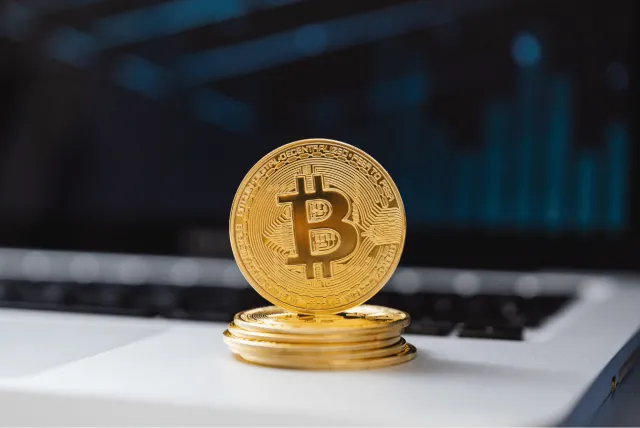
- The Lack of Thamaniyyah (Currency Attributes): While Bitcoin might be an asset, is it money? Mufti Faraz notes that for something to be a "Sharia Currency," it needs stability and wide social acceptance. Currently, Bitcoin behaves more like a volatile stock than a stable medium of exchange.
The Equilibrium: Asset vs. Action
The core takeaway from the Amanah Advisors' perspective is that the "engine" (the technology) is neutral, but the "driving" (the usage) is what matters.
|
Feature
|
The "Halal" Way
|
The "Rogue" Crypto Way
|
|
Motivation
|
Utility and Long-term Value
|
Pure Speculation and Hype
|
|
Asset Type
|
Proven Utility or Backed Tokens
|
"Junk" Tokens with No Purpose
|
|
Risk Management
|
Calculated and Asset-Linked
|
High-Leverage and Gambling
|
|
Market Integrity
|
Transparent and Fair
|
Manipulative (Wash Trading)
|
Conclusion: Driving into the Future
In our "Reverse Logic" world, Cryptocurrency and especially Bitcoin as it is fully decentralized with no guided-entity has the potential to be the most advanced "Electric Motor" yet—one that removes the need for the "Rogue Banker’s" centralized explosions. But, as Mufti Faraz Adam wisely cautions, we must ensure we aren't just replacing an old, exploding engine with a new, digital one that lacks a steering wheel.
A Sharia-compliant approach to crypto isn't about avoiding technology; it’s about ensuring that technology serves The Real Economy, protects the Preservation of Wealth, and avoids the Harm of the "get-rich-quick" explosion.